The Biggest Planning Decisions With Alaska Cruises
Alaska cruises are one of my favorite trips to plan and take. You get access to remote towns, glaciers, and incredible scenery without having to figure out complicated land logistics on your own. At the same time, Alaska cruise planning can feel overwhelming, especially if it’s your first time.
That’s why I wrote my new book, The Ultimate Guide to Alaska Cruises. It’s meant to help travelers work through the most common planning worries and feel confident about their choices before the trip even begins.

Choosing the Right Alaska Cruise Itinerary
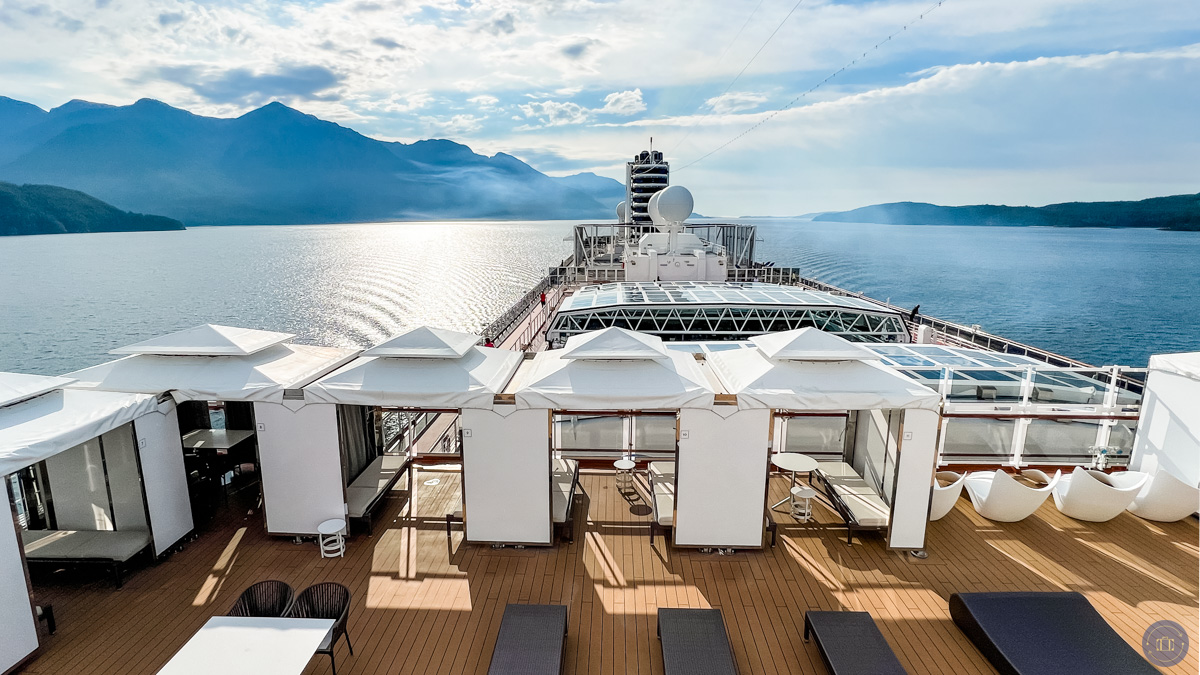
Alaska cruise itineraries can look similar at first glance, but the details matter more here than on many other cruises. Ports, glacier viewing, and whether a cruise is round-trip or one-way all shape the overall experience. Even the embarkation city plays a bigger role than people often expect.
Cruises departing from Seattle are usually easy to reach for most U.S. travelers, which is a big plus. Seattle does have two cruise terminals, though, so there can be a bit more on-the-ground navigation to think about before and after your cruise. Another factor with Seattle sailings is the required stop in Victoria. It’s a city I genuinely love, but the port visit is often short and late in the day, which can take away time that might otherwise be spent cruising or in another Alaskan port.
Vancouver cruises tend to be more straightforward once you’re there, with one main cruise terminal and itineraries that don’t require the Victoria stop. At the same time, getting to Vancouver can add extra planning considerations, like flights, passports, and in some cases visas, especially for international travelers.
Port time is another piece of the puzzle that’s easy to overlook. Knowing how long you’ll actually have in each port can make a big difference, especially if you’re hoping to book excursions or really experience the towns you’re visiting.
These are the kinds of itinerary details that can feel small while you’re booking, but they have a real impact on how your trip unfolds. In the guide, I walk through these options in more detail so travelers can choose an itinerary that fits their comfort level, logistics, and travel style.
What’s Worth Planning Ahead and What Isn’t
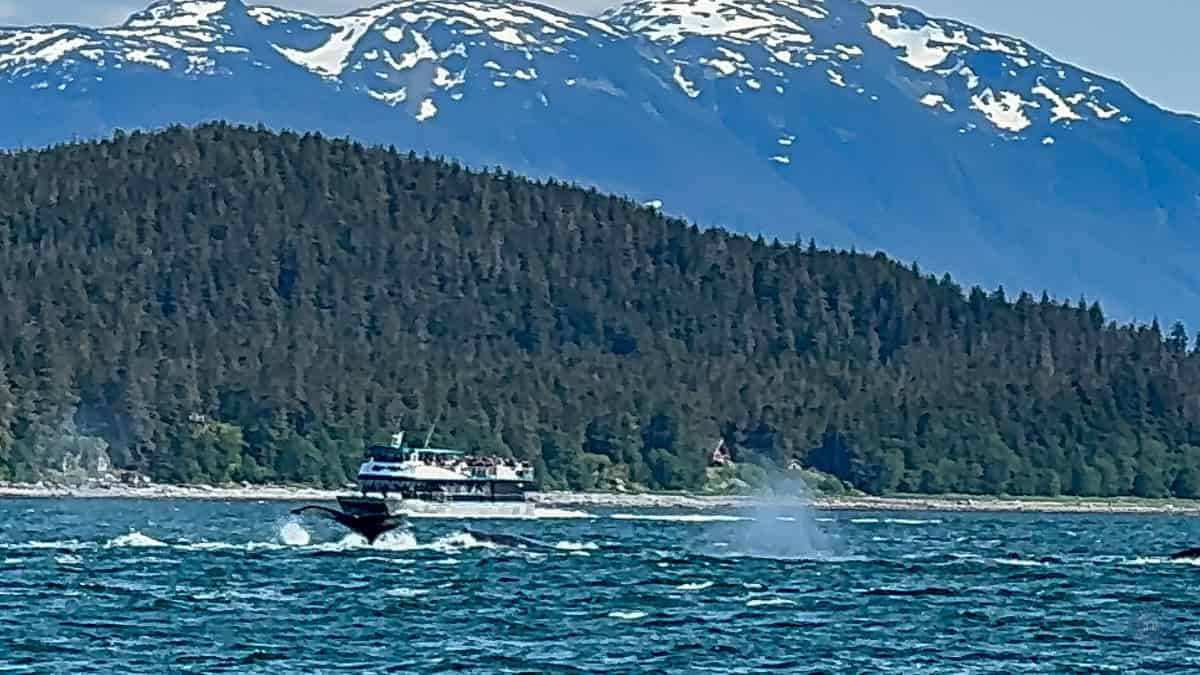
Alaska cruises can benefit from advance planning more than many other trips, especially when it comes to excursions. Experiences like helicopter tours, glacier landings, and whale watching have limited capacity and are some of the first things to sell out. If those are priorities for you, they’re usually worth booking early.
Flights and hotels also deserve extra attention, particularly if your cruise starts and ends in different cities or if you’re adding time before or after the cruise. Coordinating arrival and departure days, hotel locations, and transfers can make a big difference in how smoothly everything comes together.
There are a few things that typically don’t need to be locked in right away. Dining, spa appointments, and some shorter port activities are often easier to book closer to sailing or even once you’re on board. Knowing where you can stay flexible helps keep planning from feeling all-or-nothing.
When it comes to excursions, it’s also worth looking beyond what’s offered directly through the cruise line. Companies like Shore Excursions Group clearly list group sizes, offer a return-to-ship guarantee, and often provide competitive pricing compared to cruise line tours.
This is also an area where I help travelers every day. In addition to booking the cruise, I can help coordinate flights, hotels, transfers, and excursions so everything works together and nothing important gets missed.
Packing for Alaska’s Unpredictable Weather

Packing for an Alaska cruise is one of the areas where even experienced travelers (like me!) tend to overthink things. Weather can shift quickly, and it’s not unusual to experience cool mornings, rain, sunshine, and wind all in the same day. That’s why packing for Alaska feels a little different than packing for most other cruises.
I’ve been sharing an Alaska cruise packing list on Stuffed Suitcase for years, based on my own experience sailing the region. What I’ve learned over time is that success here comes down to layers, comfort, and a few key essentials, like a waterproof jacket, that make a big difference once you’re on board and in port.
In the book, I go a step further and break down those essentials in more detail, with practical guidance for some of my favorite gear, without overpacking or trying to prepare for every possible scenario.
Choosing Excursions Without Overbooking Everything

Alaska cruise excursions are one of the reasons I love this itinerary so much. From wildlife experiences to glacier-focused tours, these are not the kind of activities you can easily replicate elsewhere. They’re memorable, they’re often once-in-a-lifetime, and they’re a big part of what makes an Alaska cruise feel special.
They’re also expensive, and that’s something a lot of first-time Alaska cruisers don’t fully realize when they start planning. When nearly every port offers multiple tempting options, it’s easy to feel like you need to do everything, even if it stretches your budget or your schedule.
The key is knowing how to prioritize. In my Alaska Cruise guide, I talk through how to pick popular excursions by port, how port time plays into what’s realistic, and options if you don’t want to pay for excursions. This will help you to decide which experiences are truly worth the splurge so you can get the most out of your Alaska cruise without feeling overwhelmed or surprised by the cost.
What to Know About the End of Your Cruise
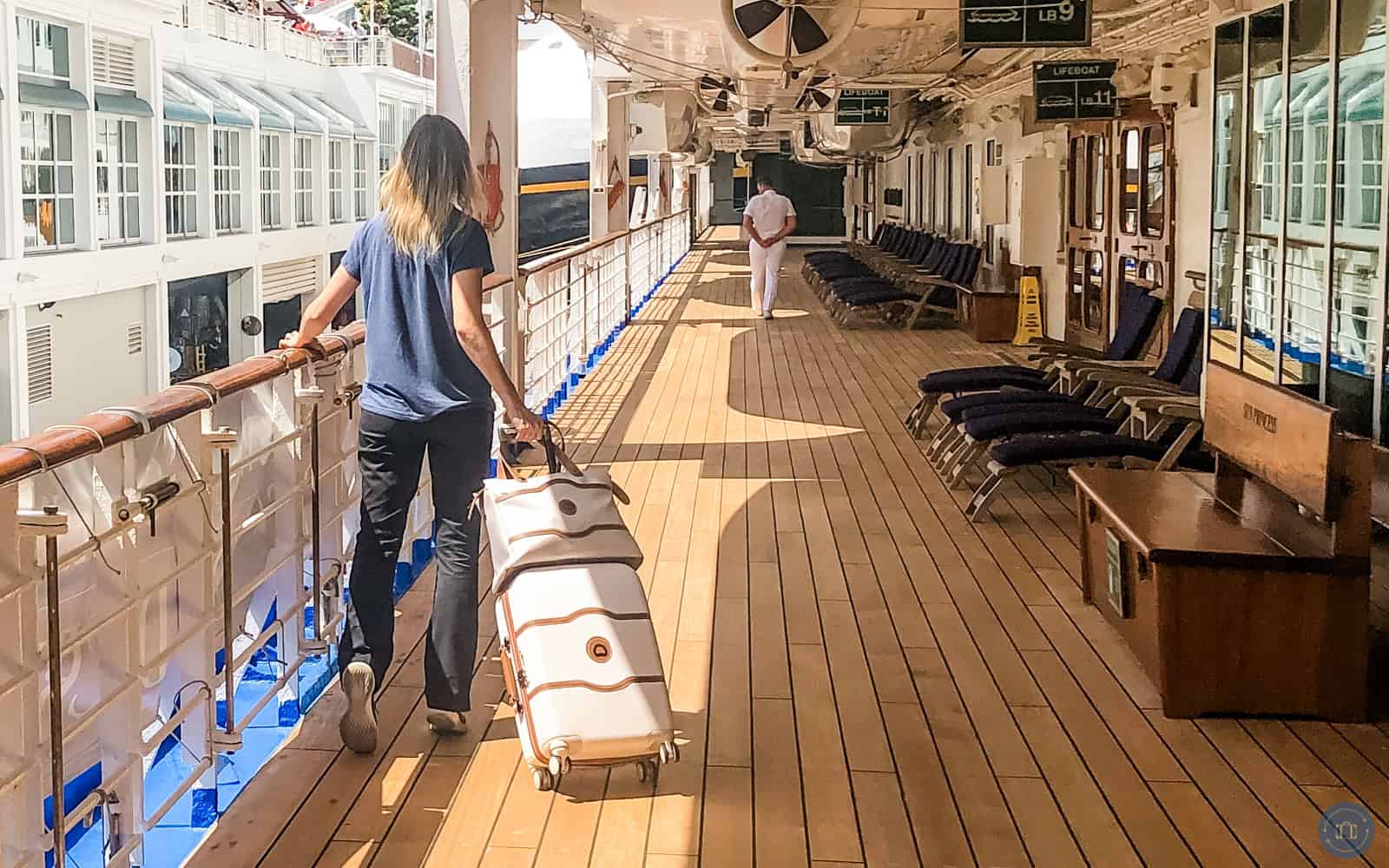
The end of an Alaska cruise also has to be planned for. Disembarkation mornings start early, like 7 am early, flights can be scheduled tighter than people expect, and figuring out what to do with luggage can be a real issue if you have a late flight or want to keep exploring.
This is also the point where Alaska opens up beyond the cruise. Some travelers head straight to the airport, while others add on a few extra days in port or an extended land journey, like Kenai Fjords. Rail trips like the Alaska Railroad to Denali or the Rocky Mountaineer to Banff are popular extensions, but they come with their own timing and logistics considerations.
In the book, I cover what to expect on disembarkation day, options for luggage storage or day-use hotels, and how to think about post-cruise travel so the final days of your trip feel intentional instead of rushed.
Ready to Plan Your Alaska Cruise with Confidence?
Alaska cruises are one of those trips where the details really matter. From choosing the right itinerary and planning excursions to thinking through flights, port timing, luggage logistics, and what happens after the cruise ends, there’s a lot to consider that isn’t always obvious at first.
That’s why I created The Ultimate Guide to Alaska Cruises. It’s designed to help you work through those decisions with confidence, based on real experience sailing Alaska and helping other travelers plan their trips.
If you’d rather have help pulling everything together, I also work directly with travelers as a travel agent to book Alaska cruises and coordinate the connecting pieces, including flights, hotels, transfers, excursions, and post-cruise add-ons like rail journeys. Whether you want to plan on your own with the guide or have personalized support from start to finish, I’m here to help.