
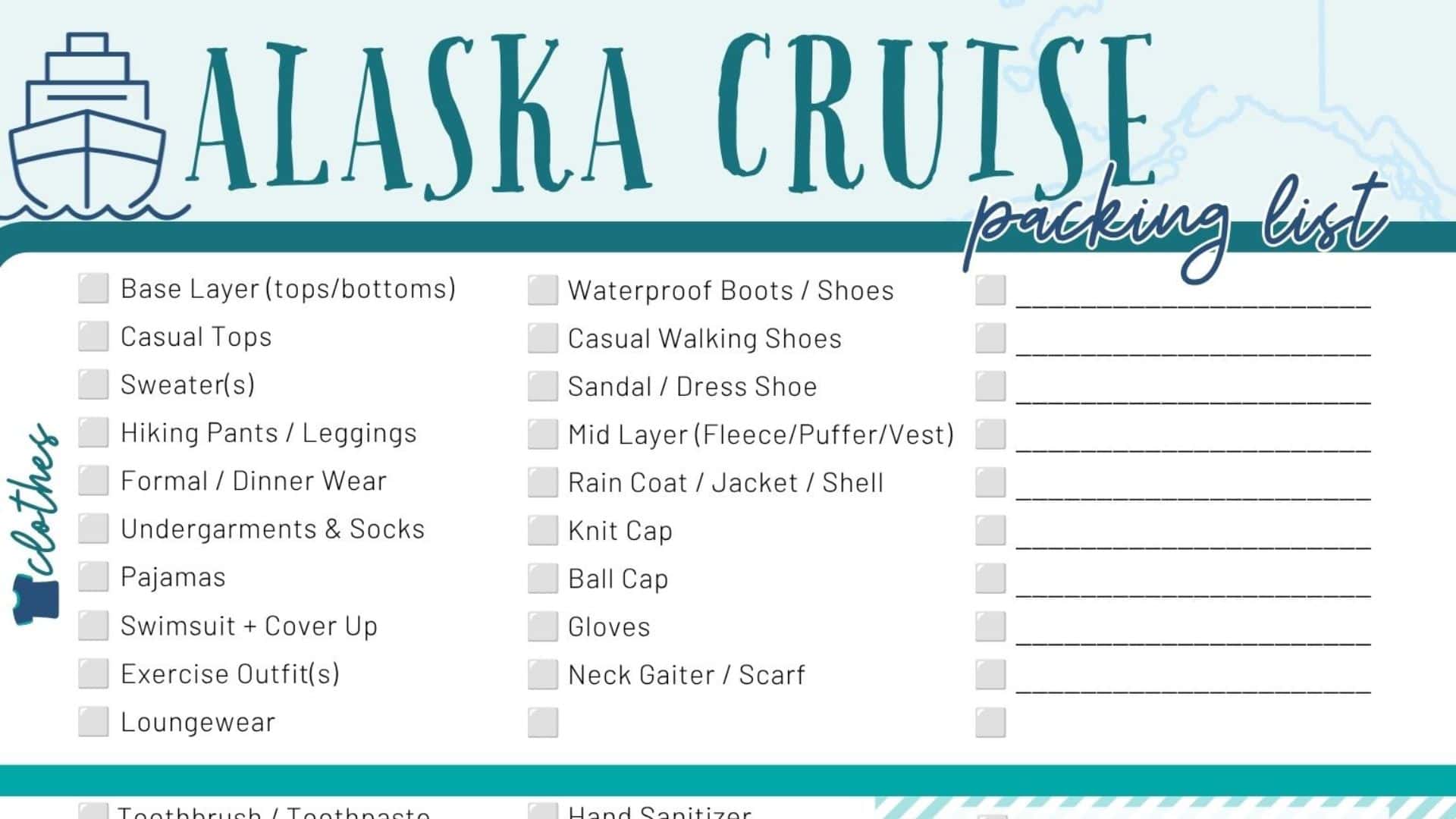
Alaska Cruise Packing List What to Pack + Free Printable PDF
I’ve sailed to Alaska nearly a dozen times and I’m still always analyzing what goes in my bag. Living in Seattle makes Alaska practically a home port for me, but the packing decisions always matter. Pack wrong and a rainy port day in the wrong shoes or coat can make you miserable.
Alaska isn’t a Caribbean sailing where you grab a sundress and sandals and call it done. Southeast Alaska is a temperate rainforest where the weather shifts fast and cold, wet mornings can turn sunny and warm by lunch.
This packing list is built from all my experiences cruising to Alaska during various months of the year, not generic cruise advice. If you want help booking your Alaska cruise, I’m also a travel advisor who specializes in Alaska sailings. Affiliate links are included and I may earn a small commission if you purchase through my links.
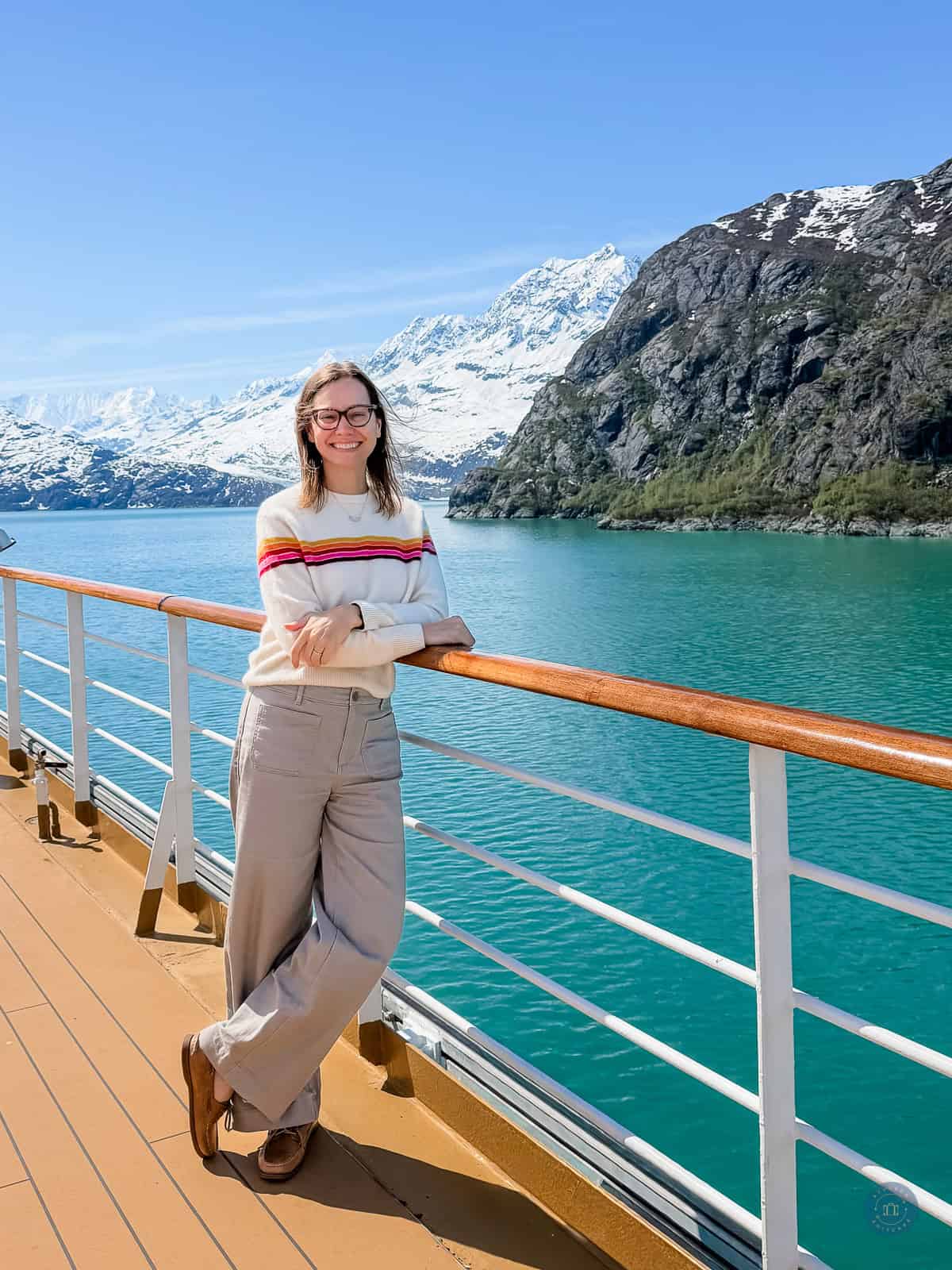
Quick Answer: What Goes on an Alaska Cruise Packing List?
Every Alaska cruise packing list needs a three-layer clothing system (moisture-wicking base, insulating mid-layer, waterproof shell), lightweight waterproof hiking shoes, a daypack for shore excursions, motion sickness remedies, compact binoculars, and t-shirts for the warm sunny days that catch you off guard. What you pack shifts depending on which month you sail, so this guide breaks it all down from April through October. My free printable checklist sign up form is included below for you to download (Jump to the List).
What to Pack for an Alaska Cruise by Month
Alaska’s cruise season runs from late April through early October, which surprises a lot of people who assume it’s only a summer destination. Within that window, what you pack should shift depending on when you’re going, not dramatically, but meaningfully.
One thing that you should know for all months is Alaska sunshine is deceiving. On a clear day the sun can make temperatures feel close to 15 degrees warmer than the actual reading. That same temperature in rain and wind cuts right through you and feels far colder than the thermometer says. This is why the layering system matters so much. You need to be able to add and remove pieces quickly based on what the day actually throws at you, as weather apps don’t always get it right.
What to Pack for an Alaska Cruise in April
April is the start of the season, but barely. Most sailings don’t begin until late in the month and fewer itineraries are available. Temperatures in port towns like Juneau and Ketchikan sit in the low to mid-40s Fahrenheit. Snow is still possible at higher elevations, and some excursion operators are not fully up and running yet. The landscape with lingering snow can be beautiful, which is why some people specifically seek out early season sailings, but go in with realistic weather expectations. If you’re going in April, treat every day as a cold-weather day.
Most important to pack in April: your warmest insulating mid-layer, waterproof gloves, a beanie, and a waterproof jacket with a hood. Don’t count on anything being warm.
What to Pack for an Alaska Cruise in May
May is true shoulder season. Prices are typically lower, crowds are a bit thinner, and you may find more last-minute availability. Temperatures climb into the upper 40s to mid-50s in most Inside Passage ports. May is actually one of the drier months of the cruise season, but cold temperatures mean any rain you do get feels harsher. Pack for cold and damp conditions every single day.
Most important to pack for an Alaska cruise in May: full layering system including a heavier mid-layer, waterproof jacket, warm hat, gloves, wool socks, and waterproof shoes. Pack as though every day will be cool and damp because most of them will be.
What to Pack for an Alaska Cruise in June
June is when Alaska starts to feel like the destination you imagined. Temperatures reach the mid-50s to low 60s across most Inside Passage ports, and June is typically one of the driest months of the season, alongside May.
The days are extraordinarily long. Alaska’s summer light is something you have to experience to really understand. I’ve sailed in June and had warm, sunny days where I was wishing I’d packed more t-shirts. That’s the Alaska sunshine effect at work. Your full layering system still applies, but you can use a lighter insulating mid-layer. Rain still comes without warning, so your waterproof jacket leaves the ship with you every day.
Most important to pack for an Alaska cruise in June: t-shirts you can layer under a fleece or light jacket, your waterproof shell, and sunglasses. Don’t skip the rain gear but don’t assume you’ll need it every hour either.
What to Pack for an Alaska Cruise in July
Peak season, peak crowds, peak prices, and the best overall weather of the sailing calendar. July average highs reach the low 60s, and on a sunny day it feels much warmer than that. This is the most forgiving month for packing but it’s still not a warm-weather cruise. Mornings and evenings on the water are still cold, glacier viewing involves standing in wind for extended periods, and Ketchikan averages over 140 inches of rain annually and does not take July off from precipitation. Your layering system stays in play but this is the month where lighter base layers and fewer heavy pieces make the most sense. Still bring your rain jacket. Always bring your rain jacket.
Most important to pack in July: a balanced layering system with lighter options, t-shirts for warm sunny days, sunglasses, and a packable rain jacket that can be stored in your daypack.
What to Pack for an Alaska Cruise in August
August feels a lot like July in the first half and starts to shift toward fall in the second. The long summer days are tapering, temperatures dip slightly toward the end of the month, and rainfall starts to pick up. Wildlife viewing, particularly for brown bears heading into their pre-hibernation feeding phase, can be exceptional in August. Pack as you would for July and add one extra mid-layer as backup. August can give you a warm stretch or an early cold snap, and being ready for both is important.
Most important to pack for an Alaska cruise in August: July-level layers plus one additional warm piece and pay more attention to your rain gear as the month progresses.
What to Pack for an Alaska Cruise in September
September is one of the most underrated months to sail Alaska. The fall colors are stunning, crowds drop off significantly, and prices come back down closer to shoulder season levels. The trade-off is weather. September is cool and wet. Temperatures return to the mid-50s range and rainfall increases. September brings more rain than the summer months, often more than May, so don’t pack lighter just because it’s still technically warm season in the lower 48. Full cold-weather layering and waterproof jacket and shoes. If you see a sunny day, enjoy it.
Most important to pack for an Alaska cruise in September: your warmest mid-layer, full rain gear, hat, gloves, and waterproof footwear. September rewards the well-prepared traveler.
What to Pack for an Alaska Cruise in October
October sailings exist but are limited. Temperatures drop into the low to mid-40s and rain increases significantly. It’s the cheapest time to sail and the least crowded. Pack for cold and wet conditions. Not every excursion operator will be running at full capacity. If you’re an experienced traveler who doesn’t mind raw weather and wants to see Alaska without fewer cruise ships in port, October has real appeal. It’s also a popular month for those wanting to see Northern Lights, so be prepared for late night cold deck viewing.
Most important to pack in October: your heaviest layering options, serious waterproof gear, and warm accessories every single day.
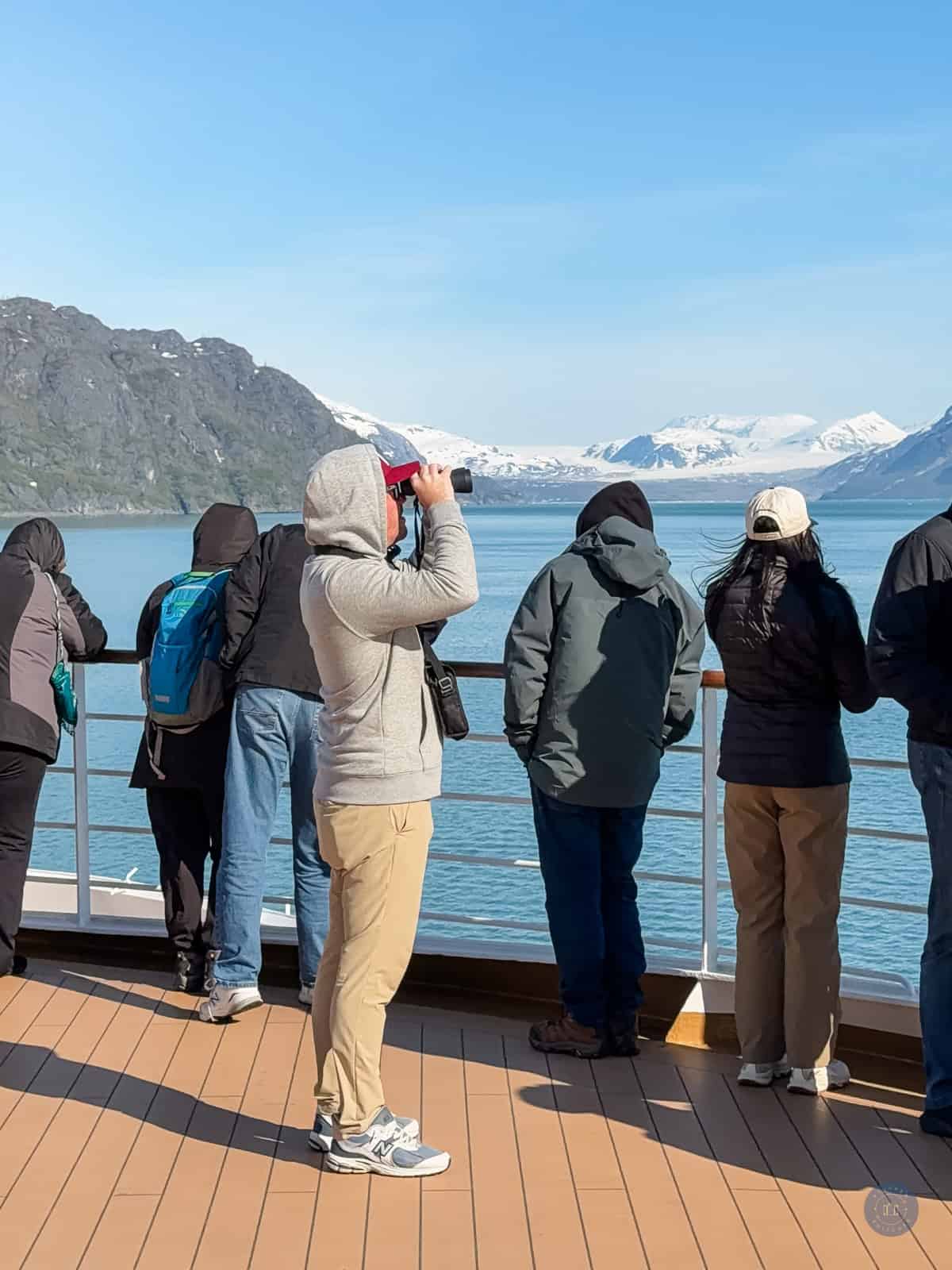
Alaska Cruise Outfits and Clothes
The Layering System
The layering concept sounds simple but most people don’t actually execute it well. Here’s how it works in practice for Alaska.
Base layer. This is what sits against your skin. A regular cotton t-shirt is fine on warmer days, especially in the mid-50s to 60s when you’re wearing it on its own or under a light layer. Cotton becomes a problem in cold, wet conditions, since it holds onto moisture and stays cold against your skin once it’s damp.
For shoulder seasons, chilly glacier viewing days, or excursions where you might get rained on, a merino wool or synthetic moisture-wicking layer works better, and the nice thing about merino specifically is you can re-wear it multiple times before it needs a wash. On my coldest days I’ll wear a long sleeve base layer like Cuddl Duds, then a sweater or sweatshirt, then my Helly Hansen midlayer jacket on top (note, I don’t like being cold).
Pack accordingly: a few basic t-shirts you’ll likely only wear once between active excursions, plus two or three merino or technical tops you can repeat throughout the sailing. Base layer leggings are also a good idea if you’re cruising in the shoulder months.
Mid layer. This is your warmth layer. A warm fleece pullover, cashmere sweater, a lightweight insulated jacket, or a vest all work well. One important check before you pack: try your mid-layer under your rain jacket at home. If your rain jacket is too fitted to layer over it comfortably, your whole system will fail if it’s cold and raining at the same time, which is exactly what Alaska is good at.
Outer layer. A waterproof, windproof shell jacket with a hood. This does not need to be a heavy parka. A packable waterproof shell handles most peak season Alaska cruise conditions well and compresses into almost nothing in your daypack. My Helly Hansen midlayer waterproof jacket is my favorite rain jacket but it is a little more bulky since it has a warmth layer. Choose something you’ll actually wear.
Tops
- 3 to 4 moisture-wicking base layer shirts or t-shirts
- 2 to 3 casual long-sleeve shirts or lightweight flannels
- 1 to 2 fleece or insulated mid-layer tops
- 1 to 2 nicer tops or blouses for evenings on the ship
- 1 waterproof outer shell jacket with a hood
Bottoms
- 2 pairs of hiking or outdoor pants, quick-dry styles are worth it
- 1 pair of jeans or casual pants for port towns and evenings
- 1 base layer or thermal legging for cold days or glacier viewing (useful for April, May, September, and October sailings)
- Rain pants if you have adventurous excursions planned or plan extensive walking in the rainy months
- 1 dressier option for formal or smart casual nights
Accessories
- Warm beanie or knit hat
- Lightweight gloves, touchscreen compatible ones are useful
- Neck gaiter or lightweight scarf for shoulder season
- Sunglasses
- Ball cap, works for sun and for under rain jacket hoods to keep rain off your face
A note on the ship running warm: Cruise ship interiors are climate controlled and often warmer than you’d expect. Many people show up in heavy sweaters and end up too warm at dinner. A t-shirt or lighter blouse with a cardigan or scarf you can remove is often all you need indoors. Save your heavy layers for port days.
Women’s packing note: If you’re looking for a women’s packing list for an Alaska cruise specifically, this list covers it. The layering system is the same regardless of gender, but women tend to find that a base layer legging and rain resistant pant paired with a moisture-wicking top, a fleece, and a waterproof shell covers almost every shore excursion situation without overpacking.
For women, consider the colors you pack. I love my red rain jacket as it pops in photos and makes me feel more styled and less frumpy than the same black wear that so many of us gravitate towards. Women also might prefer to bring a couple of dresses for the evenings if you’re planning specialty dinners.
Since many of our (women’s) clothes also have limited pockets, consider a phone lanyard for keeping your phone handy and secure on the ship and in port.
Formal Nights and Dress Code
Most Alaska cruise lines, including Holland America, Princess Cruises, Norwegian Cruise Line, and Royal Caribbean, have at least one formal or smart casual evening during the sailing.
Formal night dress codes on most mainstream lines are relaxed. You’ll see everything from cocktail dresses to jeans in the dining room. Dress up if you want to, skip it if you don’t. I’ve never heard of anyone being turned away from dinner in their regular travel clothes. Small ship luxury lines (Oceania, Regent, Cunard) tend to be stricter on dress code, so check with your specific line if that’s what you’re sailing.
One thing worth knowing: formal night is when the ship sets up photo backdrops, so if you’ve been wanting a family or couple photo for your holiday cards, that’s a good night to get it done. Just know you’ll pay for the prints afterward (unless your package includes photos).
Rain Jacket, Pants, and Packable Coat
Rain Jacket
One of the most important items on this list. Choose a rain jacket that is waterproof, not just water-resistant, and has a hood. A packable shell that layers over your mid-layer is ideal. Columbia, Helly Hansen, and Eddie Bauer all make good options at different price points, and you can find basic shell ones on Amazon for around $40 if you don’t want to invest heavily.
Pants
I like to pack specific outdoor hiking pants for Alaska. The Columbia Leslie Falls Pants II, Tidal Roamer II (lightweight), and Tech Warm Pants (lined) are all solid choices. Quick-dry pants are worth considering for active excursion days. Thermal lined leggings also work well paired with waterproof hiking boots and a long top.
If you have water activities or rugged terrain excursions planned, rain pants will keep your legs dry and warm. Long underwear is worth packing for May, September, and October sailings.
Packable Coat
A packable puffer or warm layer rounds out your layering system for cold days and glacier viewing. The key word is packable. A coat that compresses down to nothing in your daypack is far more useful than a heavy parka that takes up half your carry-on.
Shoes for an Alaska Cruise
Shoes are where I see the most packing mistakes and many end up overpacking. In my opinion, you need three types of shoes and possibly a fourth depending on if you plan to use the thermal spa, pool, or hot tubs.
Waterproof Shoes
Lightweight waterproof hiking shoes or boots are your most important pair. I emphasize lightweight because you’ll be on your feet for hours every port day and heavy, rigid hiking boots get exhausting fast. What you actually need is waterproofing, good grip on the sole, and solid traction on wet or rocky, uneven surfaces. If you’re traveling during cold weather months, you’ll want shoes that are warm as well, but a good pair of merino wool socks can help.
On my last sailing the hike to the ZipRider launch point at Icy Strait Point was a quarter mile of downhill dirt and rock path, and good grip on my soles mattered there. A trail shoe or light hiking shoe that happens to be waterproof is almost always the smarter choice over a bulky mountaineering boot for Alaska cruise excursions. Brands like Forsake, Merrell, and Keen all make solid options. I love my Forsake Patch sneaker boots. They’re waterproof, not too bulky, and they’ve gone to Alaska, Iceland, and Ireland with me.
Walking Shoes
Comfortable walking shoes for the ship and casual port time. You want something with good cushion that is easy to slip on and off, and perfectly fine for wandering a downtown area when you’re not on an active excursion. If you have a good pair of tennis shoes with traction, you may choose to spray them with waterproof spray and use them as the only pair of walking/active shoes for your trip depending on what season you’re visiting.
Personally, I like to bring my Forsake boots I mentioned above, and then a slip-on sneaker/loafer that is easy to wear around the ship so I don’t have to lace up my boots every time I leave my room. On this last cruise that was the end of May beginning of June I wore my Sperry loafers and they worked great.
Dress Shoes
Lastly, a dressy flat, low heel, or smart loafer if you plan to dress up for any dinner nights. If you prefer heels, choose a chunky heel or a wedge. Ship stairs are narrower than regular stairs and there’s always gentle motion underfoot. A narrow stiletto is not your friend on a cruise ship. Most people are perfectly comfortable in a dressy flat.
A final option you may want to pack is a slim pair of flip flops for the pool deck, hot tubs, or thermal spa if you plan to use those. That’s four pairs total and everything you need.
What to Pack for the Ship
Pool, hot tubs, and thermal spa: Pack a swimsuit or two if you plan to take a dip. Two suits means you’re not putting a damp one back on if you want to go in twice. Flip flops for the pool deck or thermal spa are a must.
Magnetic hooks and clothespins are two of the best things you can bring on any cruise. Magnetic hooks stick to the metal walls in most cabins and give you instant extra hanging space for bags, jackets, and wet gear. Clothespins let you hang damp swimsuits or socks in the bathroom without taking up the towel bars – many cruise lines have a clothesline built into the wall of the shower or bathroom.
Loungewear for sea days is worth the suitcase space. A cozy pair of sweatpants or lounge outfit is perfect for grabbing coffee in the morning or relaxing on your balcony.
An insulated coffee mug is worth packing if you’re a coffee lover (like me!). Cruise ship cups don’t keep drinks warm, especially on cold Alaska mornings on deck. Just keep in mind that you’ll want to pack some travel dishwashing wipes to clean your cup(s).
A reusable water bottle to fill onboard if you’re planning to sit by the pool for long hours or if you have a full-day excursion(s).
Packing cubes are an easy way to keep your clothes organized since a small space gets chaotic fast. And you may want to bring a hanging laundry bag or compression bag for your dirty clothes to keep them separated.
A daypack and lanyard: A daypack for shore excursions doubles as an extra bag for souvenirs, and lanyards for your cabin key cards if you don’t have pockets.
Laundry: Check whether your cruise line offers laundry service or has a self-service laundry room. On longer sailings, packing lighter and doing laundry mid-trip can save real suitcase space.
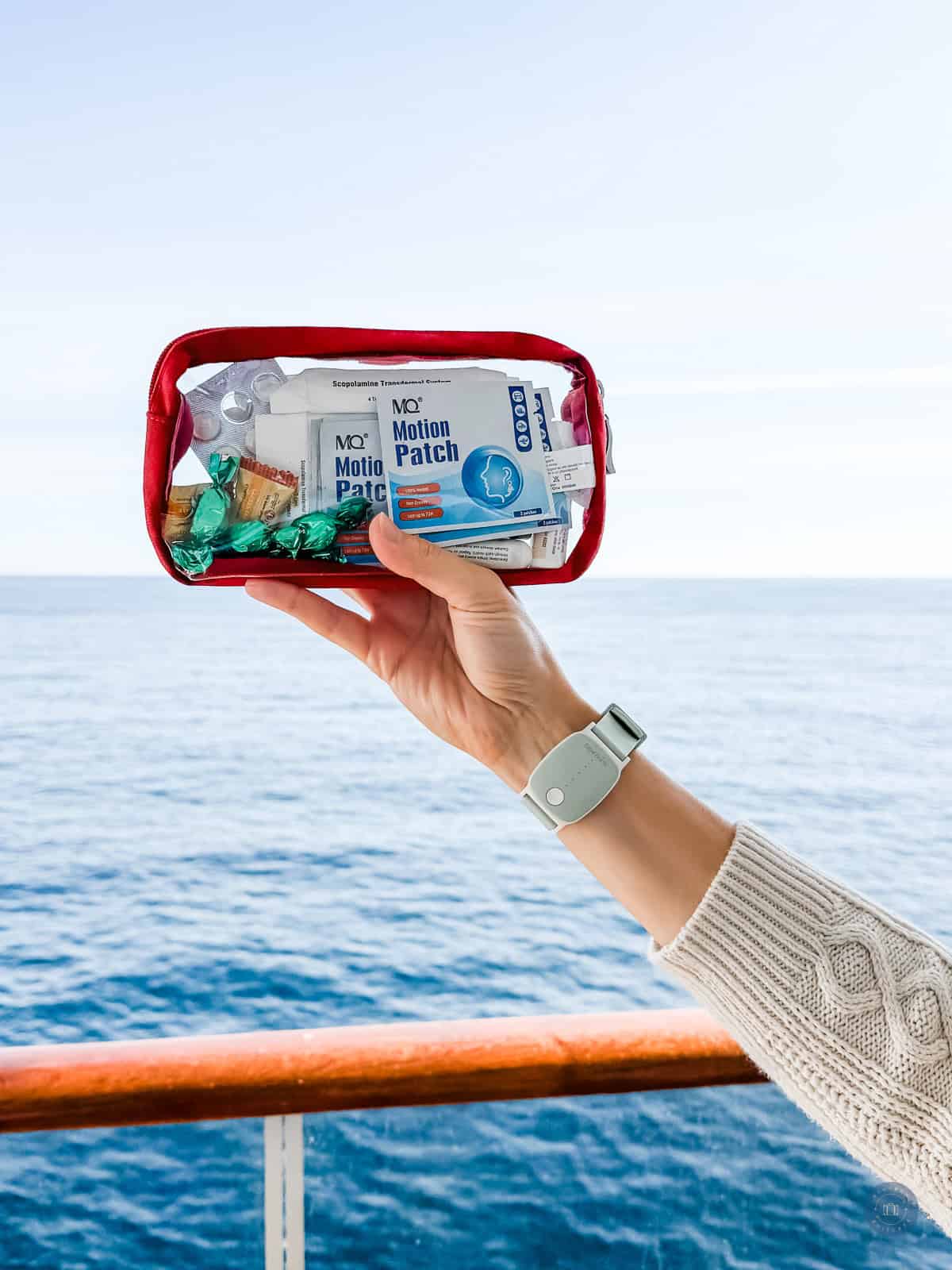
Motion Sickness on an Alaska Cruise
Worth thinking about before you board, even if you’ve never been seasick. Alaska’s Inside Passage is sheltered water for most of the sailing and is calmer than open ocean routes. That said, some itineraries cross open water stretches and weather can make for rougher nights than expected. Older ships can have less sophisticated stabilizer systems than newer builds, which can mean more noticeable movement.
I used to use prescription scopolamine patches (prescribed by a doctor), but they gave me side effects. After many sailings, it seems I’ve gained some sea legs, and the motion bothers me less than when I was a novice Kansas girl sailing for the first time. If you know you suffer from motion sickness and are sailing an older ship, smaller ship, or outside of the inside passage (to/from Seattle, to/from Seward, etc), then I recommend you get a prescription from your doctor.
When I do reach for motion sickness remedies for cruises, I use less-drowsy Dramamine or Bonine. The active ingredient is meclizine, which is gentler on most people than original Dramamine formula. I also use an EmTerm electrostimulus wristband, similar to Sea-Bands but battery-powered to help combat the brain signals that cause motion sickness. Ginger candies are worth packing, and a nausea-relief smelling inhaler is a good drug-free option if you’re sensitive.
The key rule: start before you feel anything. Once nausea kicks in, most options take too long to fix your symptoms.
The best position on the ship if you feel queasy is mid-ship on a lower deck, outdoors, if possible, with your eyes on the horizon. Cabin location is important if you suffer from motion sickness, you’ll want to avoid forward cabins, so try to book mid-ship cabins that are also not one of the top decks. Keep in mind that often newer and larger ships have better stabilization.
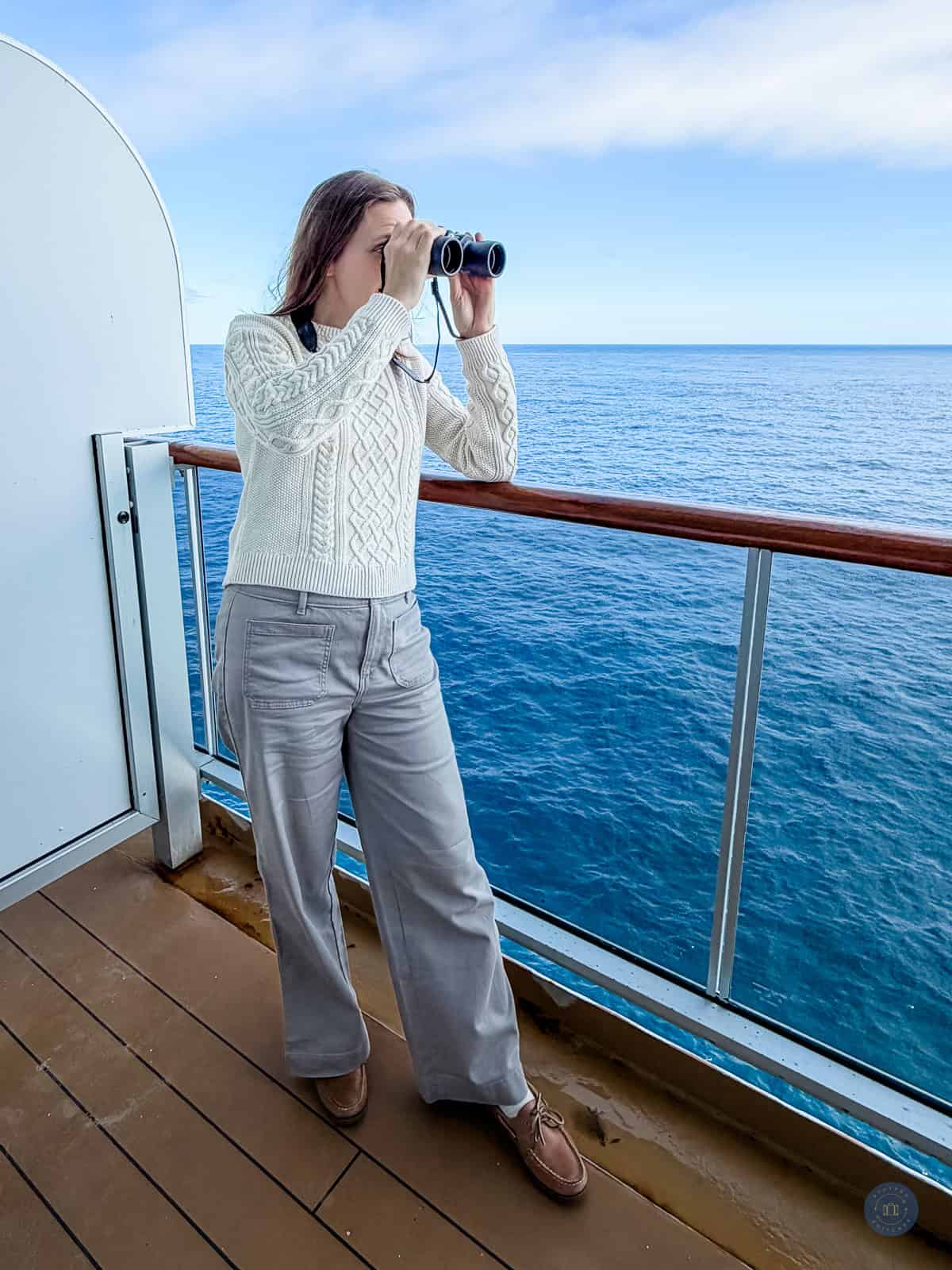
Best Binoculars for an Alaska Cruise
Bring binoculars, but unless you’re planning to invest in a quality pair you’ll use well beyond this trip, you don’t need the large 8×42 or 10×42 models. For spotting whales from the deck, catching a bear or goats on a hillside, or getting a better look at a glacier face, compact binoculars do the job without the weight and bulk.
If you’ve never shopped for binoculars before, the numbers can be confusing. The first number is magnification and the second is lens size — so 10×28 gives you 10 times zoom with a 28mm lens. Bigger isn’t always better on a ship since higher magnification makes the image shakier when you’re holding them by hand. For cruise wildlife watching, 8x or 10x is plenty.
Brands like Bushnell, Vortex, Nikon, and Occer all make compact options that work well. My recommendation is the Vortex Triumph HD 10×28 at around $90. They’re fully waterproof and fog-proof, which matters when you’re stepping from a warm ship cabin straight out onto a cold deck. For a binocular you’ll use on this trip and keep for years, it’s the one I’d point you toward. If you want a budget-friendly option so you have something, the Occer 12×25 is a popular compact pick that costs under $40.
If budget is tight across the board, I’d prioritize a camera with strong optical zoom over either pair. You get the reach plus photos to keep. But a compact pair of binoculars is worth having on an Alaska cruise if you plan to watch for whales or lounge on your balcony or decks.
Camera and Tech Gear
A phone with strong optical zoom handles most great Alaska shots for everyday port exploring and scenery from the ship. If you shoot with a DSLR or mirrorless camera, a zoom lens in the 100-400mm range is worth the bag space for serious wildlife shooting. You can also rent a camera and zoom lens for your trip if photography is a priority but you don’t want to invest in new gear.
If you want a dedicated compact travel camera that bridges the gap between a phone and a full camera setup, two solid options worth considering are the Panasonic Lumix ZS99 and the Canon PowerShot SX740 HS.
The Lumix ZS99 has 30x optical zoom, fits in a jacket pocket, and performs well in the kind of overcast conditions Alaska often has. The Canon SX740 HS has 40x optical zoom, is lightweight and simple to use. Either one gives you zoom reach for whale spouts and distant wildlife that a phone camera simply can’t match. Keep in mind, compact point and shoot cameras are rare right now and many of the best models can be hard to find and cost more than their original list price.
A few camera tips regardless of what you’re shooting with: cold air drains batteries faster than you’d expect, so pack a portable charger for your phone and extra battery for your camera and keep it in your daypack. Bring extra memory cards or make sure your phone cloud storage is upgraded before you sail. On bucket list excursions especially, you’ll take far more photos than you expect and running out of space mid-excursion is frustrating.
A waterproof phone pouch is worth having on any water-based excursion or rainy port day unless your phone is waterproof. If you’re doing active excursions, a wrist or neck lanyard for your phone is smart since some zipline and excursion operators require one for filming.
A final tip, bring a lens cloth for glasses to clean off your camera lenses and eyeglasses in case of rain.
Want More Tips for Your Alaska Cruise Planning?
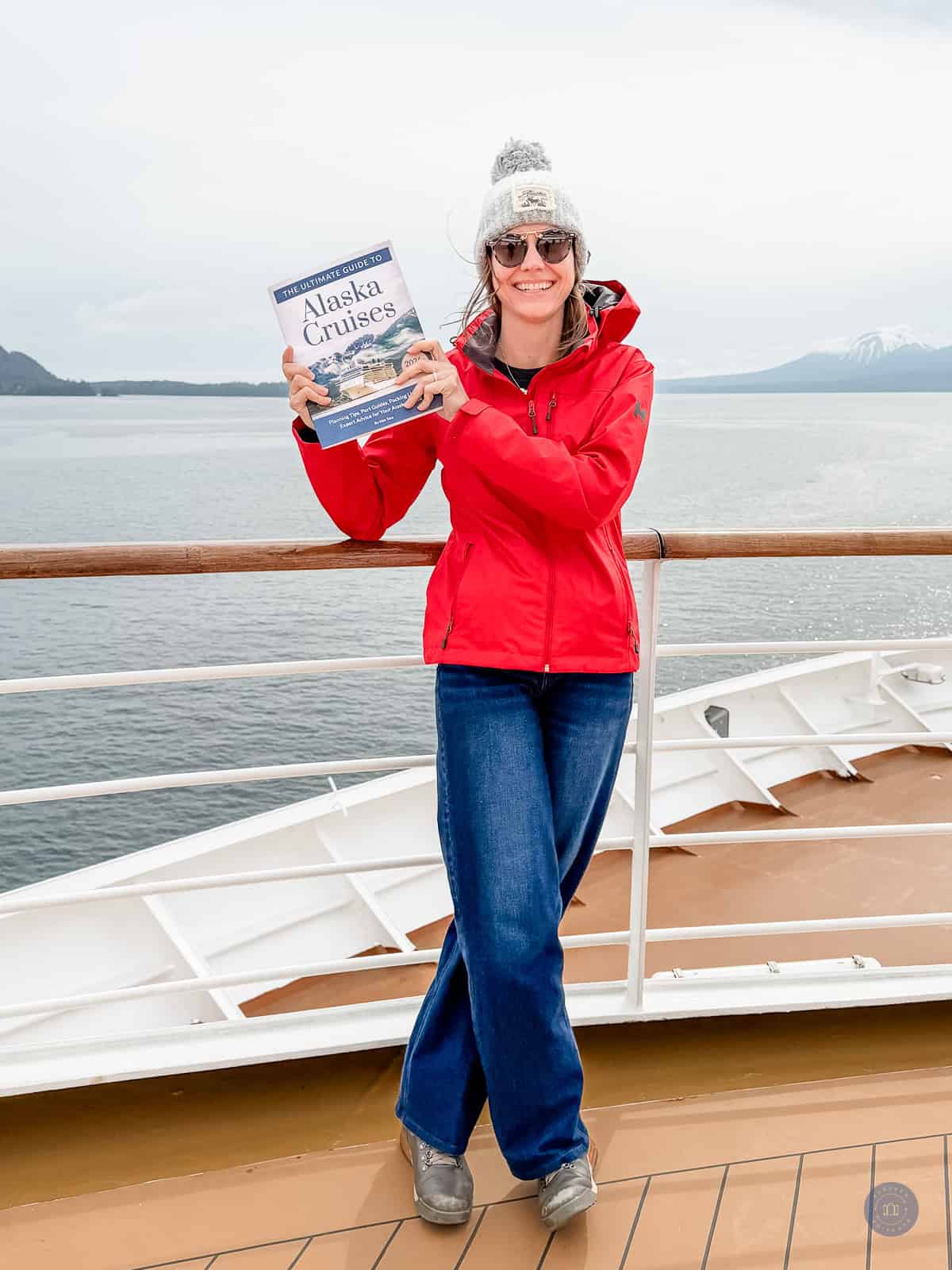
Once the packing is done, the next question most Alaska cruisers have is whether they’re ready for the cruise and ports. My Ultimate Guide to Alaska Cruises covers what to expect at embarkation, how to make the most of each port, what to do when things don’t go as planned, and includes a planning toolkit and cruise journal to capture it all. After nearly a dozen sailings, it’s all of my best advice!
Daypack Essentials and Everything Else
A 20-to-30-liter daypack/backpack is useful for port days. What goes in it every day: rain jacket, water bottle, sunscreen, lip balm, binoculars, camera, a small waterproof dry bag for your phone and wallet, and extra layers.
The dry bag is worth calling out specifically. On whale watching tours, zodiac excursions, or any day with heavy rain, it keeps your phone, credit cards, and cash completely protected. You can buy a fully waterproof backpack if you’re traveling in a rainy season, but most of the time a water-resistant bag with a Ziploc or dry bag inside for valuables or delicate items (passports, batteries, etc) works well enough.
A few other items that belong on your Alaska cruise packing list:
- Luggage tag holders. Useful to attach your printed luggage tags to your bags so they’re secure and weatherproof. Tip: the size varies by cruise line so buy the ones for your specific cruise line.
- Passport and travel documents. If your itinerary includes any Canada stops, a valid passport is required. Read my full post on Alaska cruise passport requirements here.
- Travel insurance. Recommended because of weather-related excursion cancellations and the cost of medical care in remote areas
- Prescription medications in original labeled containers. Alaska’s port towns are small and not every pharmacy carries everything
- Bug spray. Alaska mosquitoes are legendary on forested hikes, so be sure to pack some if you’ll be hiking or in nature and not just shopping in port
- SPF lip balm and sunscreen. UV reflection off glaciers and open water is intense even on cloudy days, and I’ve been on plenty of high sun excursions where temps hit 70F.
- Hand lotion. Cold, wind, and frequent handwashing on the ship is hard on skin
- Wool socks, two or three pairs. Cold feet ruin port days fast.
- Blister bandages in your daypack, not just your suitcase. You’ll want them on you, not back on the ship
- A waterproof toiletry bag that stands on its own. Cruise ship bathrooms have limited counter space and a bag that stands upright beats one that needs to hang or lie flat
- Cash and a debit card for each port day. Most vendors accept credit cards, but some local buses and small shops are cash only. The local bus to Mendenhall Glacier in Juneau requires exact change ($2 pp)
What NOT to Pack for an Alaska Cruise
Heavy rigid hiking boots. Unless you have rugged excursions planned, you don’t need them. Heavyweight boots get exhausting on long port days. Lightweight waterproof trail shoes handle almost everything on a simple Alaska cruise itinerary.
A poncho. In real Alaska rain and wind, a cheap poncho is useless. It billows, it doesn’t keep you dry in any kind of breeze, and it’s frustrating to manage. A packable rain shell with a hood does the job properly.
Narrow stiletto heels. Ship stairs are narrower than regular stairs and the gentle motion or big waves can throw off your balance. If you love heels, bring a chunky block heel or a wedge. Most people find a dressy flat works perfectly and take up less suitcase space.
Resort wear. Sundresses, linen trousers, and swimsuit cover-ups have very limited use on an Alaska cruise. One or two lighter pieces are fine for warm ship days but don’t dedicate suitcase space to clothes built for a tropical climate.
A non-compressible heavy parka. Layering is your strategy, not one giant coat. A bulky non-packable parka takes up more room than all three layers of your system combined and gives you less versatility for the range of conditions you’ll face.
Full-size toiletry bottles. Counter space in cruise ship bathrooms is small. Travel-size bottles in a self-standing waterproof bag will come in handy.
Too many heavy sweaters. Don’t let the destination fool you into packing only heavy sweaters. They take up a lot of space and limit your layering options. It’s better to pack one or two and preferably thinner sweaters made from materials like wool and cashmere.
Frequently Asked Questions
What is the single most important thing to pack for an Alaska cruise?
A waterproof rain jacket with a hood. Southeast Alaska is a temperate rainforest. Ketchikan alone averages over 140 inches of rain per year. Every other item on this list matters, but a quality waterproof jacket is what protects your ability to enjoy a port day no matter what the weather does.
Do I need formal wear for an Alaska cruise?
Most Alaska cruises include at least one formal or smart casual evening. You don’t need to overpack for it. A nice, comfortable dress handles formal night well, as does a blouse with tailored pants. Men can get by with dress pants and a button shirt. Leave the tuxedo at home, unless you’re on a luxury line or if you want to get photos looking sharp. And many guests will be in t-shirts and jeans.
Is the packing list different for May versus July?
Yes, and it matters. May means heavier mid-layers, gloves and a warm hat as daily-use items, and waterproof everything as a baseline. July is the most forgiving month but still requires your full layering system with lighter versions of each piece, as you may be wearing short sleeves while in port. The rain jacket goes with you in July too.
What shoes do I actually need for an Alaska cruise?
Three pairs cover everything: a lightweight waterproof hiking / traction shoe or boot for excursions and active port days, comfortable walking shoes for the ship and casual port time, and a dressy flat or low heel for dinner nights. Add flip flops if you plan to visit the pool, hot tubs, or thermal spa.
Will I get seasick on an Alaska cruise?
The Inside Passage is sheltered water and calmer than open ocean routes. That said, some itineraries cross open water stretches. If you have any history of motion sickness, pack multiple options including less-drowsy Dramamine or Bonine, Sea-Bands or an electrostimulus wristband, and ginger candies. Start using them before you feel anything.
Do I need a passport for an Alaska cruise?
It depends on your itinerary. If your sailing stops in Canada, including Victoria BC, a passport is recommended; however, closed-loop Seattle roundtrip cruises often allow you to cruise with a birth certificate and legal ID. However, you need to check with your specific cruise line.
Do I need binoculars for an Alaska cruise?
Yes, but they don’t have to be large or expensive. A compact 10×25 or 12×25 waterproof pair is enough for most cruise travelers and fits in a jacket pocket. If budget is tight, a camera or phone with strong optical zoom gives you similar reach plus photos to keep. If you plan to use them a lot, a good 10×42 pair of binoculars will give you the best optics.
Is bug spray really necessary for an Alaska cruise?
Perhaps – mostly if you’re prone to mosquito bites. I am and on my recent cruise was glad I packed a bug “spray” stick in my bag but my friend who isn’t susceptible to bites didn’t notice any. Forested shore excursions in Southeast Alaska can mean real mosquito exposure, particularly in areas with standing water, so it’s a definite yes if you’ll be hiking or heading inland before/after the cruise.
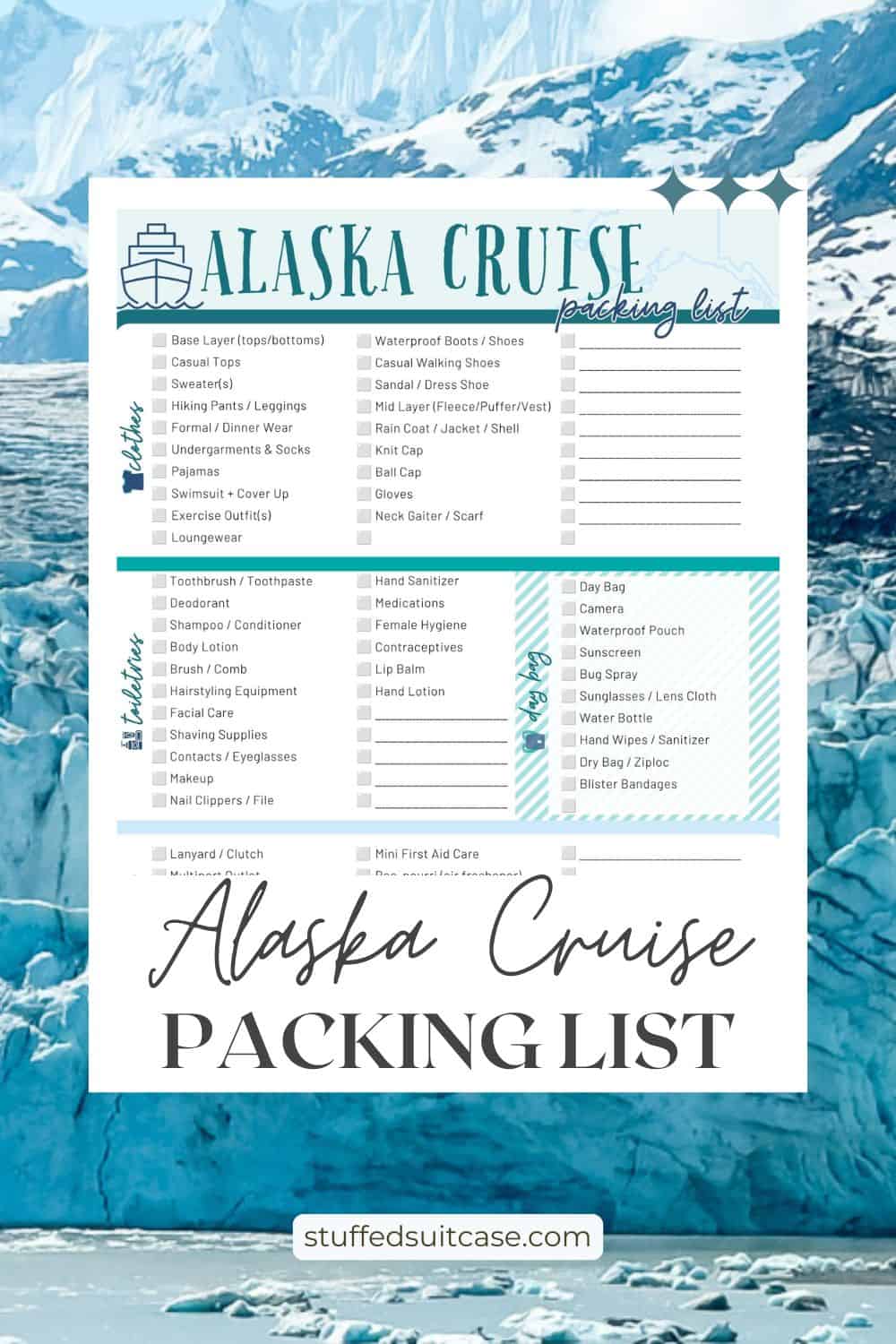
Alaska Cruise Packing List Free Printable
Ready to start packing? Download my free printable PDF Alaska Cruise packing list below. It covers everything in this guide in a checklist format you can print and take with you as you pack.
Still figuring out which Alaska cruise is right for you? That’s exactly what I help with as a travel advisor who specializes in Alaska sailings.
More Alaska Cruise Planning
- Do You Need a Passport for an Alaska Cruise?
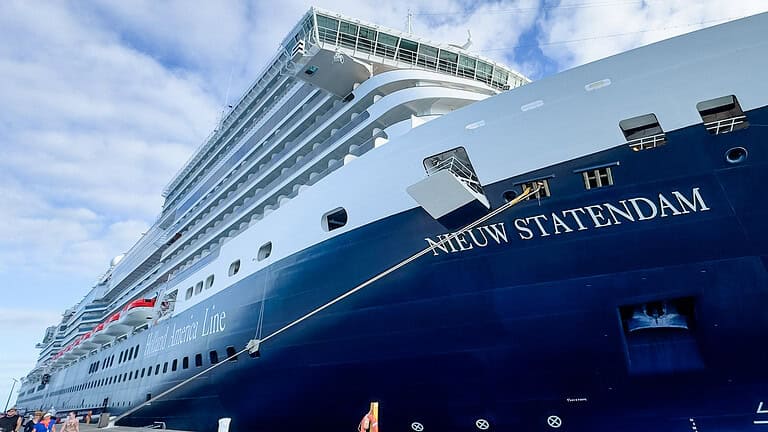
- Holland America Alaska Cruise Review
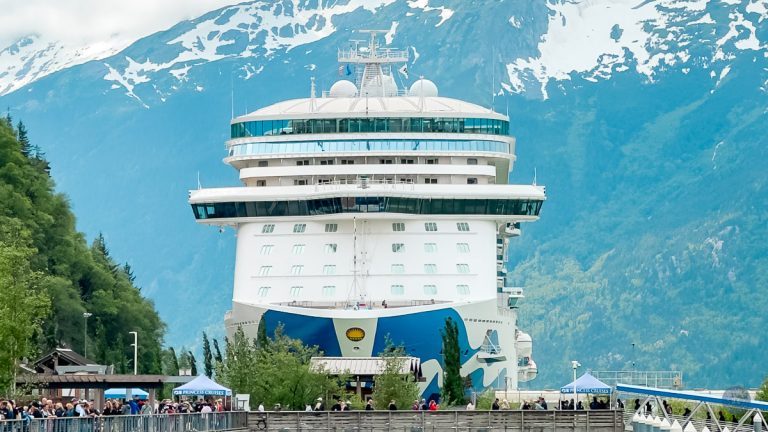
- Princess Alaska Cruise Review
- Alaska Cruise Planning Questions
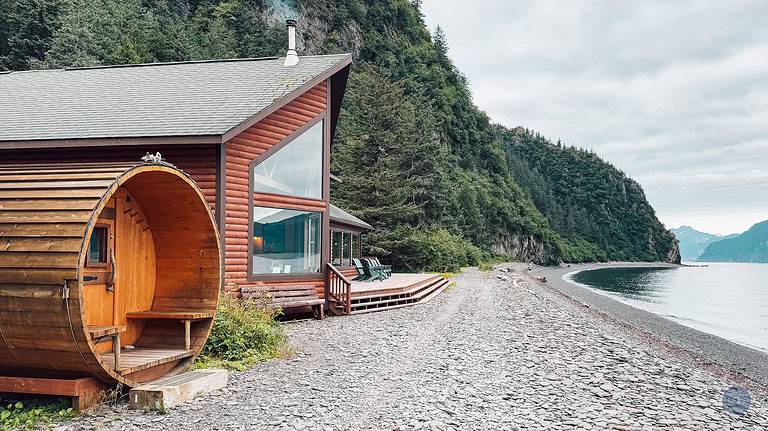
- Kenai Fjords Wilderness Lodge
- My Book: The Ultimate Guide to Alaska Cruises
- Best Things to Do in Juneau Without a Ship Excursion [coming soon]
- Icy Strait Point ZipRider Review [coming soon]



THANK YOU, THANK YOU, THANK YOU!! I’m so grateful to have come across your website as I’m about to embark on my first Alaskan cruise this week. I try to pack minimally but I have felt overwhelmed with thoughts of not being prepared and having too much stuff that might not be needed.
This packing list is a lifesaver! Alaska is on my bucket list, and knowing exactly what to bring will make the whole trip so much easier. Love that there’s a printable version too—super handy! Thanks for sharing these tips!